
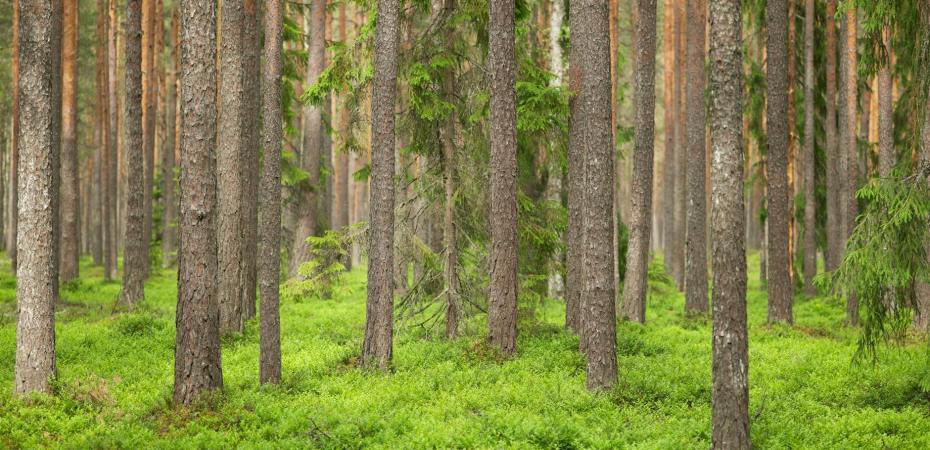
Judges 9:8 (reconsidered) A Parable told by Jotham, son of Gideon.
The trees walked along looking to find a tree to anoint as king over them.

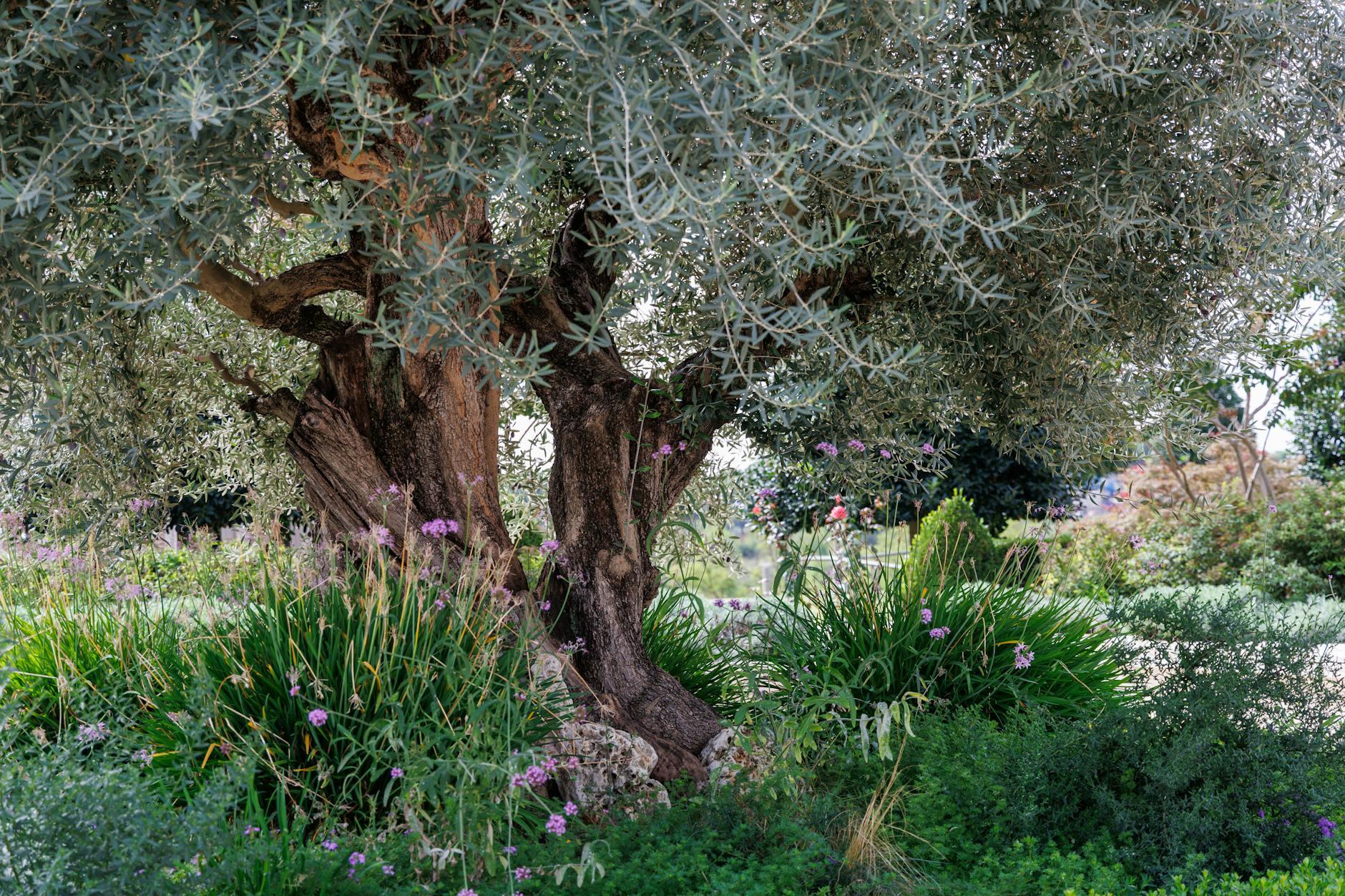
They spoke to the olive tree and said, “Reign as king over us.”

But the olive tree said, “Should I forsake my anointing* which honors God and man, and depart to wander around with the trees?”
So, the trees said to the fig tree, “Come and reign over us as king.”
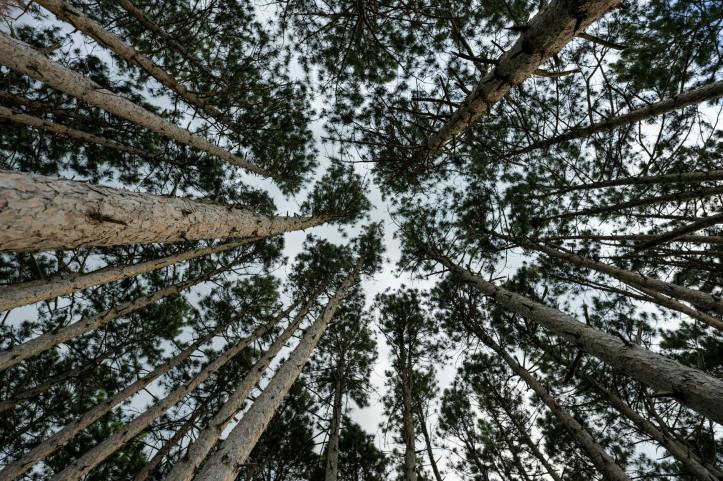
But the fig tree said, “Should I forsake my sweetness*, and cease my good* fruit* to go wander with the trees?“
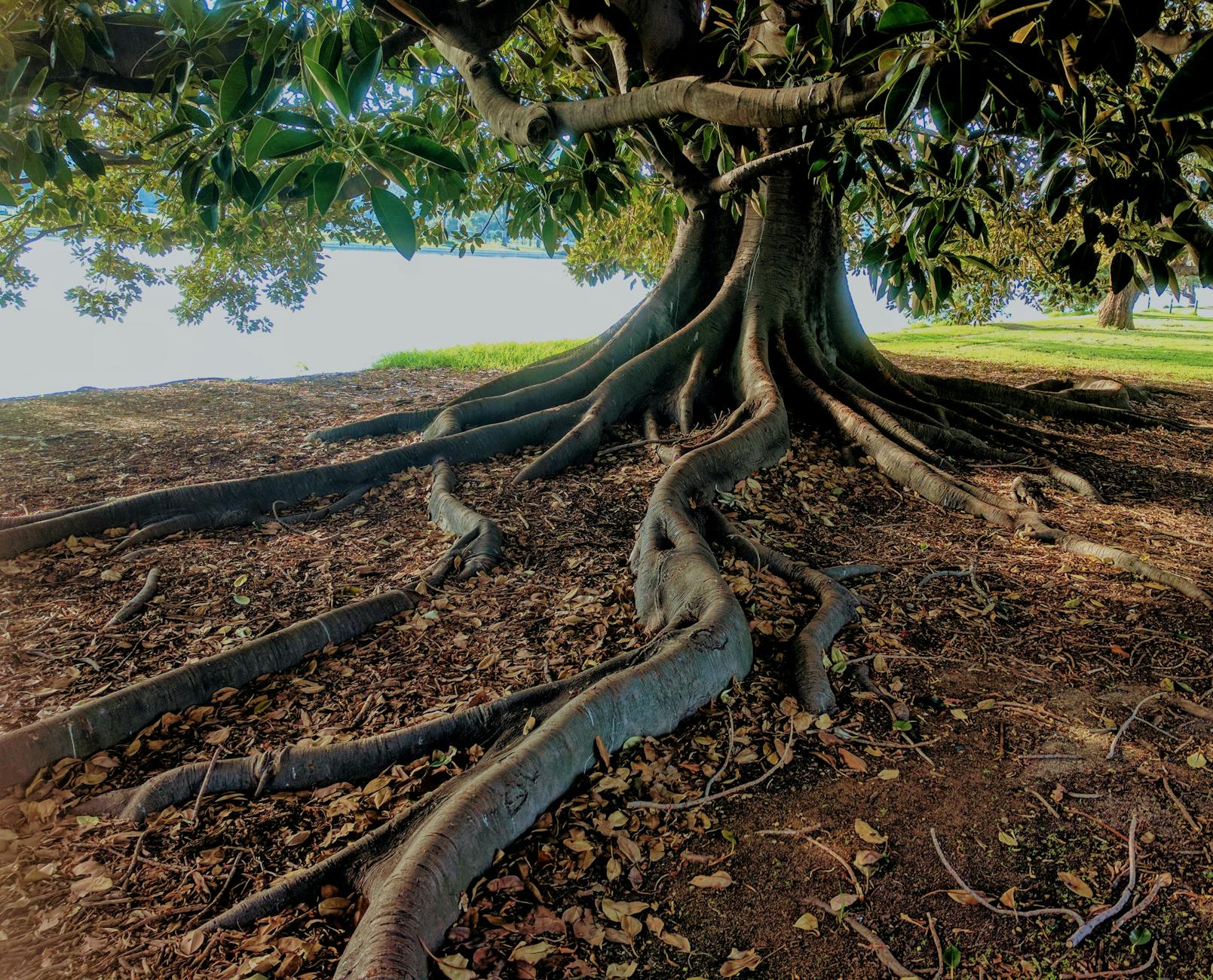
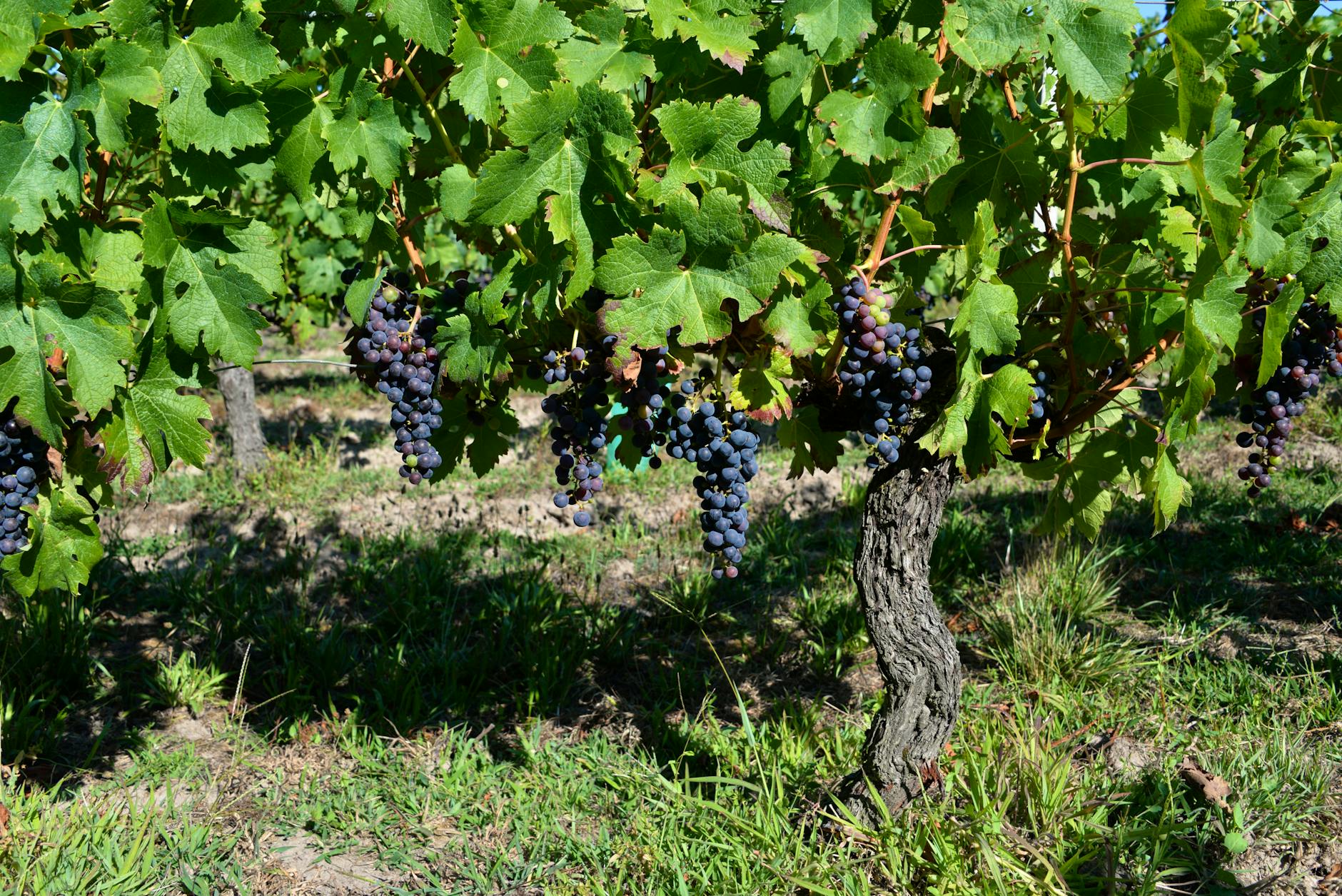
Then, the trees spoke to the grapevine and said, “Come be king and reign over us.”
The grapevine said to them, “Should I forsake my wine*, which brings joy to God and man to go wander with the trees?”
Lastly, the trees said to the buck-thorn bush, “Come and ascend the throne to reign as king over us.”
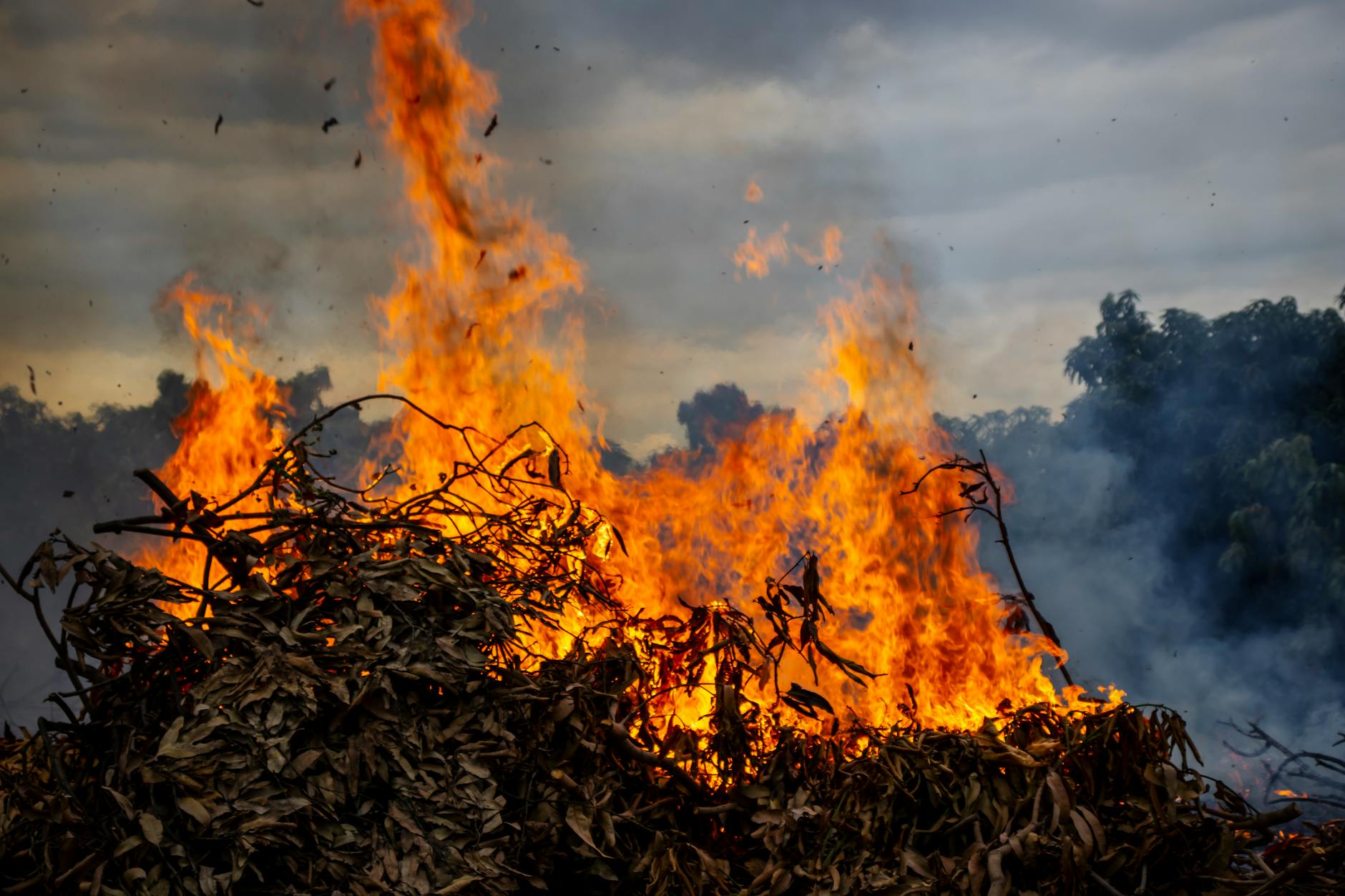
The buck-thorn bush said to the trees, “Truthfully, if you anoint me king over you, you will need to flee and seek a refuge for your defense because flaming fire* will go forth from the buck-thorn bush, and devour the cedars of Lebanon*.”
Dig Deeper-click on the words below
Anointing
from <H1878> (dashen); the fat; abstract fatness, i.e. (figurative) abundance; specifically the (fatty) ashes of sacrifices :- ashes, fatness. a primitive root; to be fat; trans. to fatten (or regard as fat); specifically to anoint; figurative to satisfy; denominative (from <H1880> (deshen)) to remove (fat) ashes (of sacrifices) :- accept, anoint, take away the (receive) ashes (from), make (wax) fat.
Strong’s Talking Greek & Hebrew Dictionary.
Sweetness, Good, Fruit
Tob-from <H2895> (towb); good (as an adjective) in the widest sense. Also, used as a noun, both in the masculine and the feminine, the singular and the plural (good, a good or good thing, a good man or woman; the good, goods or good things, good men or women). Also, as an adverb (well) :- beautiful, best, better, bountiful, cheerful, at ease, × fair (word), (be in) favour, fine, glad, good (deed, -lier, -liest, -ly, -ness, -s), graciously, joyful, kindly, kindness, liketh (best), loving, merry, × most, pleasant, + pleaseth, pleasure, precious, prosperity, ready, sweet, wealth, welfare, (be) well ([-favoured]).
Moteq- from <H4985> (mathaq); sweetness :- sweetness.
Mataq-H4985-a primitive root; to suck; by implication to relish, or (intransitive) be sweet :- be (made, × take) sweet.
Strong’s Talking Greek & Hebrew Dictionary.
Tenuba-from <H5107> (nuwb); produce :- fruit, increase.
a primitive root; to germinate, i.e. (figurative) to (causative make) flourish; also (of words), to utter :- bring forth (fruit), make cheerful, increase.
Strong’s Talking Greek & Hebrew Dictionary.
wine
tiyrosh, tee-roshe’; from <H3423> (yarash) in the sense of expulsion; must or fresh grape-juice (as just squeezed out); by implication (rarely) fermented wine :- (new, sweet) wine.
yaresh, yaw-raysh’; a primitive root; to occupy (by driving out previous tenants, and possessing in their place); by implication to seize, to rob, to inherit; also to expel, to impoverish, to ruin :- cast out, consume, destroy, disinherit, dispossess, drive (-ing) out, enjoy, expel, × without fail, (give to, leave for) inherit (-ance, -or), + magistrate, be (make) poor, come to poverty, (give to, make to) possess, get (have) in (take) possession, seize upon, succeed, × utterly.
Strong’s Talking Greek & Hebrew Dictionary.
Flaming fire
Esh-a primitive word; fire (literal or figurative) :- burning, fiery, fire, flaming, hot.
Strong’s Talking Greek & Hebrew Dictionary.
Exodus 3:2 (KJV)
And the angel of the LORD appeared unto him in a flame of fire (Esh) out of the midst of a bush: and he looked, and, behold, the bush burned with fire (Esh), and the bush was not consumed.
Cedars of Lebanon
The Cedar of Lebanon in the Bible (mentioned over 70 times) symbolizes strength, majesty, divine blessing, and durability due to its towering height, fragrance, and rot-resistant, high-quality wood. It was used by Solomon and David to build the Temple and palaces, representing God’s power and righteous, firmly rooted character.
Psalm 104:16-17 (KJV)
The trees of the LORD are full of sap; the cedars of Lebanon, which he hath planted;
Where the birds make their nests: as for the stork, the fir trees are her house.
Zechariah 11:1 (KJV)
Open your doors, O Lebanon, that the fire may devour your cedars.
Ezekiel 31:2-9 (KJV)
2 Son of man, speak unto Pharaoh king of Egypt, and to his multitude; Whom art thou like in thy greatness?
3 Behold, the Assyrian* was a cedar in Lebanon with fair branches, and with a shadowing shroud, and of an high stature; and his top was among the thick boughs.
4 The waters made him great, the deep set him up on high with her rivers running round about his plants, and sent out her little rivers unto all the trees of the field.
5 Therefore his height was exalted above all the trees of the field, and his boughs were multiplied, and his branches became long because of the multitude of waters, when he shot forth.
6 All the fowls of heaven made their nests in his boughs, and under his branches did all the beasts of the field bring forth their young, and under his shadow dwelt all great nations.
7 Thus was he fair in his greatness, in the length of his branches: for his root was by great waters.
8 The cedars in the garden of God could not hide him: the fir trees were not like his boughs, and the chesnut trees were not like his branches; nor any tree in the garden of God was like unto him in his beauty.
9 I have made him fair by the multitude of his branches: so that all the trees of Eden, that were in the garden of God, envied him. *this name is a metaphor for Lucifer, therefore, this passage is speaking about Lucifer
Jesus speaking about the parable from Judges 9
Luke 6:43-47 (KJV)
For a good tree does not bring forth corrupt fruit neither does a corrupt tree bring forth good fruit. For every tree is known by its own fruit. For from buck-thorns men do not gather figs, nor of a buck-thorn bush do they gather grapes. A good man out of the good treasure of his heart brings forth that which is good; and an evil man out of the evil treasure of his heart brings forth that which is evil. For of the abundance of the heart his mouth speaks.

